Link copied
 5 min
5 min
How to Improve Traffic Quality in iGaming
How to Improve Traffic Quality in iGaming: Practical Mechanics That Actually Work
How to Improve Traffic Quality in iGaming: Practical Mechanics That Actually Work
Hi everyone! You’re reading The Limited Club — a private iGaming affiliate network with exclusive terms.
Today, we’re talking about one of the most painful topics in affiliate marketing: traffic quality.
The topic is hardly new, but the questions never seem to disappear. Why does one media buyer consistently run traffic in the green while another gets accused of fraud? Why can some teams scale for months and get their rates increased without a single stop, while others get stopped and have their traffic cut immediately after the first cap?
There is no single answer to these questions. But there is a set of proven mechanics that can genuinely improve traffic quality.
In this article, we’ll break everything down: what advertisers actually look at, what a media buyer can do to improve the quality of their traffic, and where the product itself needs to step up.
How Is Traffic Quality Measured in iGaming?
First of all, we need to understand what “quality traffic” actually means to the people approving payments for the players you bring.
For an advertiser, quality = the money a player generates.
Not on day one, but throughout the entire player lifecycle.
While an arbitrageur is usually focused on metrics such as click2reg, reg2dep and click2FTD, the advertiser primarily looks at the following:
AVG FTD (average first deposit).
A minimum FTD is a red flag. If the average first deposit is below the product’s benchmark, the traffic will likely be classified as low quality.
Repeat Rate (RD, %).
If a player deposits once and disappears, their LTV is tiny. This type of traffic is essentially one-off traffic.
AVG RD (average repeat deposit).
It’s not just about how many times a player deposits, but also how much they deposit. Having repeat deposits of just a few dollars doesn’t really solve the problem.
FTD SUM.
The total value of all first deposits generated by your players. This is one of the key indicators of the quality of a partner’s “first wave” of traffic.
The higher, the better.
RD SUM.
Repeat deposits are one of the main sources of revenue for the product.
If there are no repeat deposits, your traffic is not sustainable.
When RD SUM is higher than FTD SUM, that’s a strong indicator of high-quality traffic.
BET SUM.
The total amount wagered by players. This is a deeper metric that may not always be shown to you immediately, but it is tracked internally.
The more a player bets, the more engaged they tend to be — and the higher the probability that they will remain active.
This is also part of traffic quality.
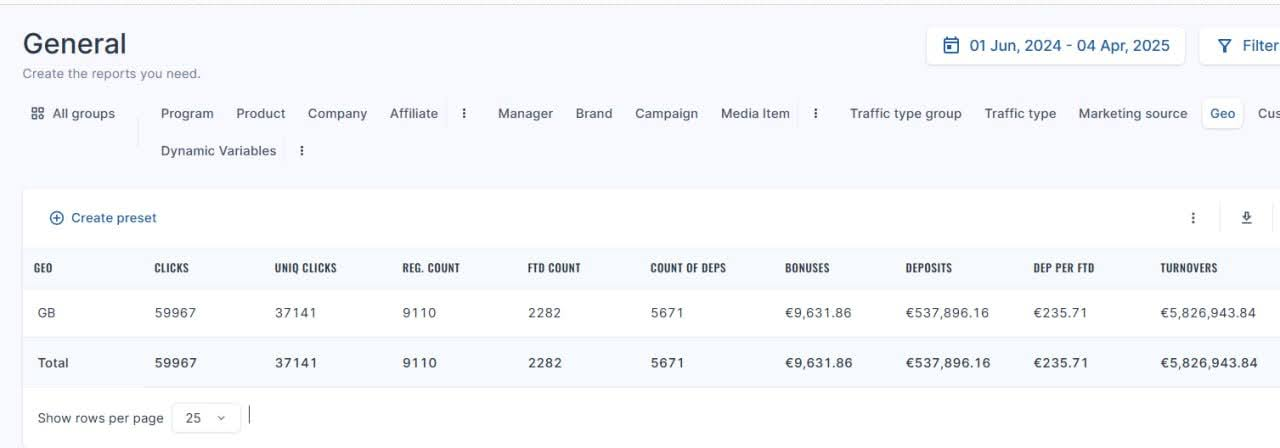
In other words, what matters to the advertiser is player activity.
If a user deposits and actually plays, you’re entering the green zone.
If the player only makes the minimum deposit and generates no repeat deposits, be prepared for a potential stop after the test cap and a hold.
Always ask your affiliate manager for information on these metrics. It will help you understand exactly where your traffic is underperforming and what needs to be fixed in your funnel.
Why Does Targeted Traffic Often Fail to Pay Back?
And here comes an important point.
There are traffic sources where the metrics mentioned above are often naturally stronger — SEO, ASO and PPC.
Why?
Because instead of creating demand purely through an attractive creative, these channels often capture an existing user intent.
This is hot, high-intent traffic.
Even if its retention is only average, reg2dep and ARPU (Average Revenue Per User — total revenue generated across all players) are often above the market average.
Rejections from these sources are relatively rare. And when they do happen, it can actually be a signal that something is wrong with the offer or the product itself.
When working with paid acquisition sources such as Meta, TikTok, UAC, Snapchat and others, however, the situation is different.
If the product has a strong retention department, a lot depends on the actual media buying funnel.
And, referring back to a recent voice message on a similar topic, let’s address crash games right away.
No, we’re not going to focus on them here.
You can say: “Just look at the top apps promoted by sellers — everyone is running crash games!”
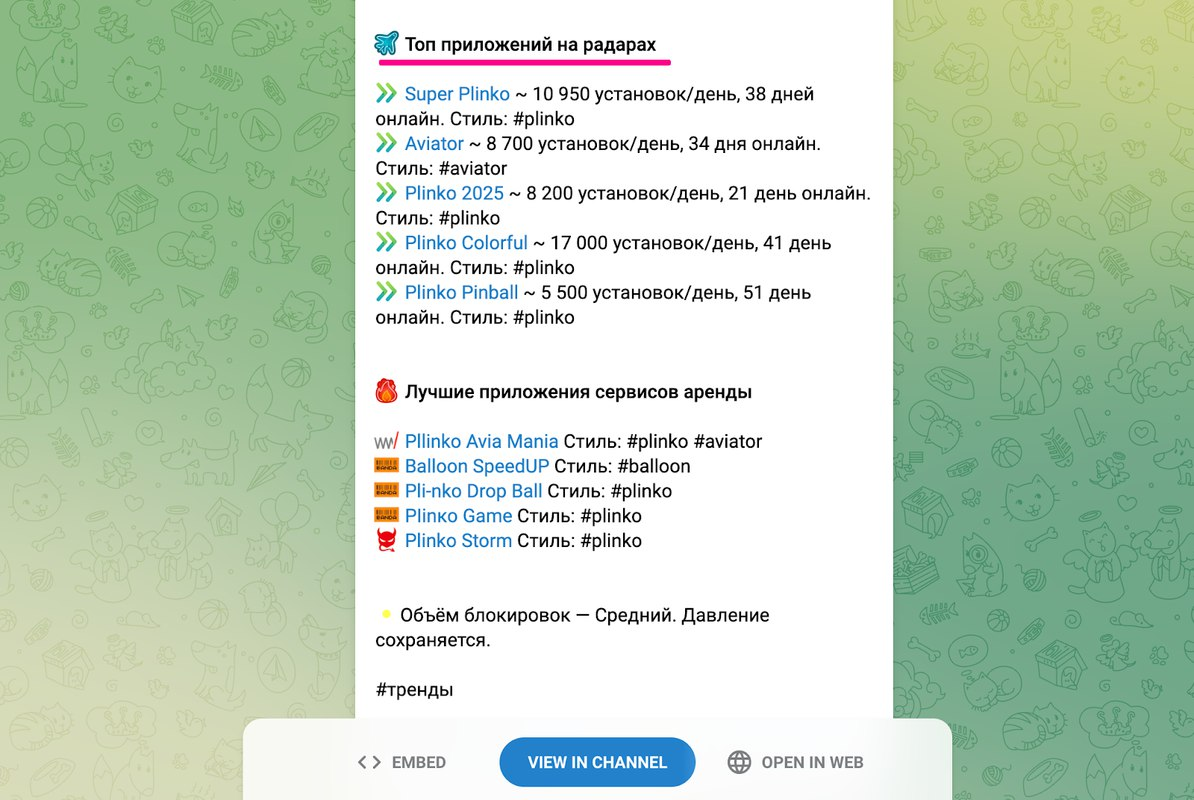
And you’d be right.
But our internal experience shows that this approach requires a specific skill set, and not everyone can maintain even average traffic quality from crash-game campaigns over the long term.
We are more focused on stability and win-win conditions for both our partners and advertisers.
So let’s go back to the basics and focus on slots rather than waiting for products to somehow adapt to crash-game traffic.
How Can a Media Buyer Improve Traffic Quality?
The secret to quality traffic is actually very simple:
The more your funnel — creative, pre-landing, slot and targeting — is adapted to the product’s ideal player, the higher your chances of staying in the green.
There’s no magic involved. Just attention to detail and experience.
Here are the key areas where you can directly influence traffic quality.
Relevant Creatives
This is a basic principle.
People don’t come to casinos simply to place bets or make money. They are looking for emotions, excitement and the possibility of winning big.
The last point is especially relevant for Tier-3 GEOs.
Show this honestly: yes, you can win, but you also need to play.
This approach doesn’t necessarily scare users away. Instead, it helps filter out the wrong audience — particularly users who expect to hit a jackpot from a minimum deposit.
Look for users who are there for the game and the experience, not just the money.
The casino audience isn’t as large as it may seem.
Before launching traffic and producing creatives, we recommend requesting product data from your affiliate manager — especially the most popular slots for the target GEO — and building your creatives around them.
At the same time, don’t ignore new releases.
They can attract users who have already played all the major titles and are looking for something different.
For example, BGaming released the Alice WonderLuck slot about a month ago, featuring a familiar character and a very engaging soundtrack.
Don’t Highlight the Minimum Deposit
There’s no need to specify the minimum deposit in your creative — or emphasize the absence of one — and you definitely shouldn’t promise something that doesn’t actually exist.
The logic is the same as above.
Highlighting the minimum deposit can actually work against you.
You’re essentially setting a ceiling yourself.
A player may deposit $10, $15 or $25 — and stop there.
That’s not particularly valuable to the product.
It’s better to build interest around the bonus or the game itself rather than around the amount required to enter.
Don’t Promise What the Product Doesn’t Offer
If the product doesn’t offer a particular welcome bonus, don’t advertise one.
That’s misleading advertising.
The player will arrive expecting something that isn’t there and may leave without making even the minimum deposit.
The product needs retention, not a player who deposits the minimum and disappears — while you’ve already paid for the click.
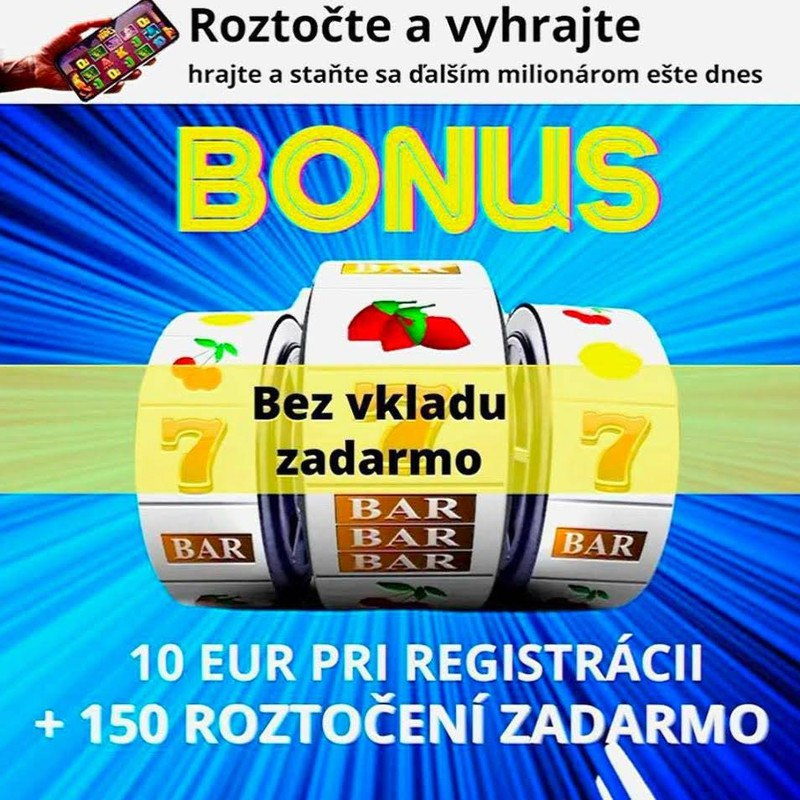
☝️ Examples of misleading copy:
🙅♂️ Roztóčte a vyhrajte – hrajte a staňte sa ďalším milionárom ešte dnes → “Spin and win — become the next millionaire today”
🙅♂️ Bez vkladu zadarmo → “Free, no deposit required”
🙅♂️ 10 EUR pri registrácii + 150 roztočení zadarmo → “€10 upon registration + 150 free spins”
Precise Targeting
At the very least, consider men aged 25+.
Women tend to be less active in gambling, and advertisers often prioritize male audiences.
Age is another important factor.
The older the player, the higher their engagement and LTV tend to be.
Audiences under 23–25 generally deposit less and show weaker retention, especially when there is no strong local approach.
Build a Push Notification Funnel
Not everything depends on the offer itself.
If you have the ability to send push notifications — use it.
Additional engagement can bring players back and help convert users who were still undecided.
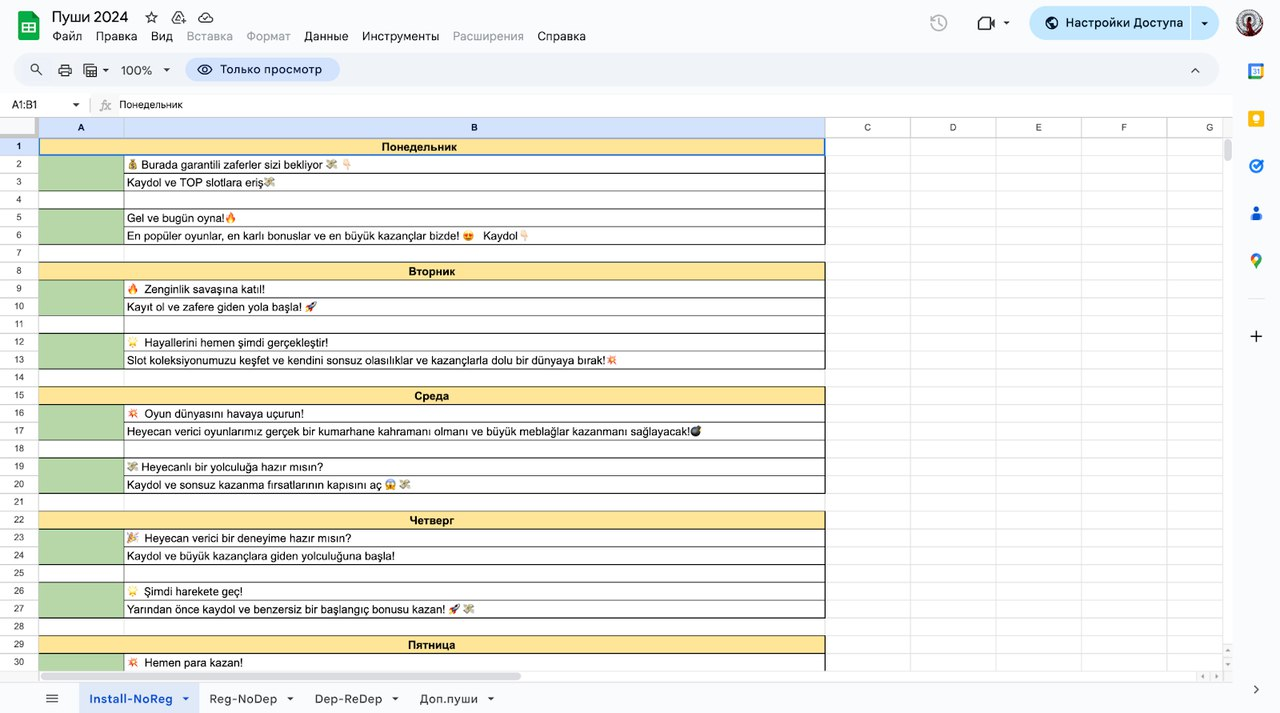
Example of a funnel (Google Sheets) built around registrations, deposits and repeat deposits. Check the different sheets at the bottom of the page.
Build a Consistent Funnel
This is another basic principle.
Your creative, slot featured in the creative, pre-landing page, app design, app name and the actual slot available on the product should all form one consistent UX.
You can’t promote Bonanza in your creative and then send the user to a completely different Joker game.
The user won’t understand what they are supposed to do and may never make it to the deposit stage.
Take them directly to the game you promoted.
☝️ By the way, there are plenty of ways to warm up users within a consistent funnel.
You can introduce them to the slot mechanics, explain the bonus system, show how multipliers work, explain the slot’s RTP and what it means for the player’s potential outcomes, or simply build anticipation around the possibility of winning a bonus.
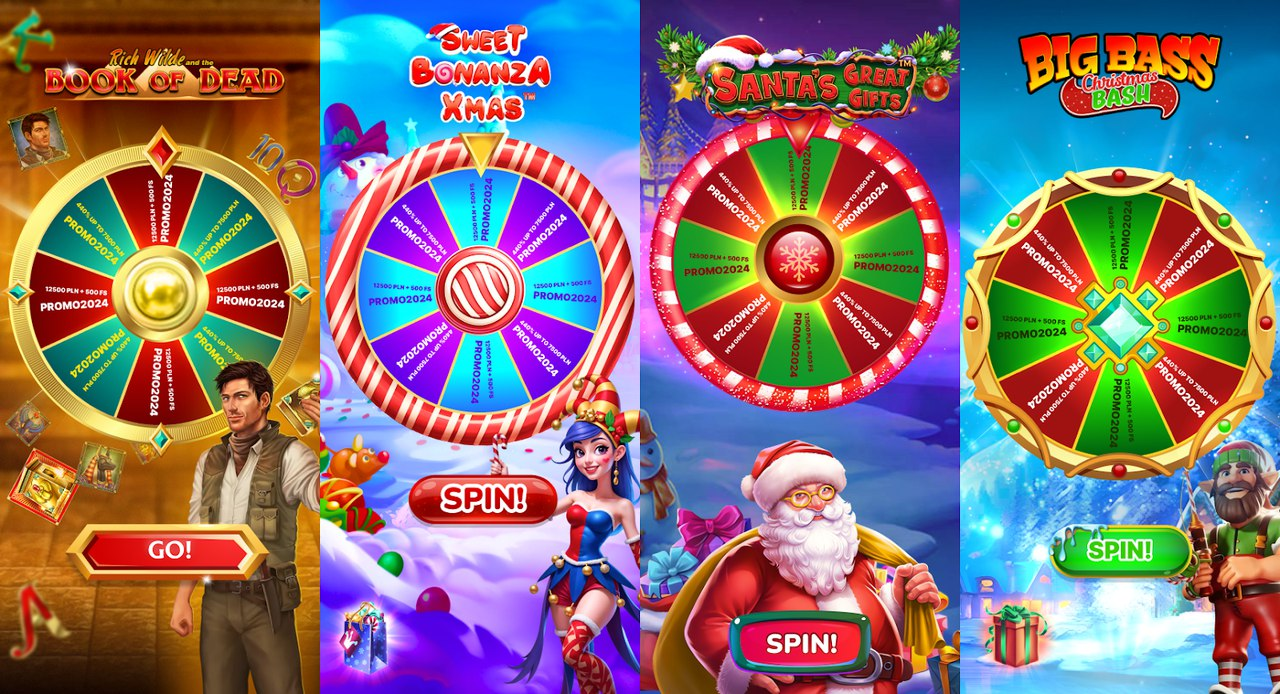
Pre-landing pages built around bonus mechanics and styled specifically for individual slots.
What the Difference Looks Like
🙅♂️ Misleading “€50 upon registration” creative → random pre-landing page → generic landing page → Plinko slot
💁♂️ Creative featuring gameplay and slot mechanics + emotions → pre-landing page explaining the bonuses and, for example, telling the “story” behind the slot → direct link to the promoted game
Naturally, stay in close contact with your affiliate managers.
Make sure you know which slots are currently performing best in your GEO, which bonus mechanics and promo codes are available, and what other product-specific tools you can use.
We’re always happy to share our expertise and help you figure this out.
Final Thoughts
As many affiliate and arbitrage influencers have pointed out, traffic arbitrage has long since stopped being a simple “money-making trick.”
Working with traffic needs to be comprehensive.
You need to understand the funnel, analyze the numbers, communicate with partners and negotiate.
Everyone wants “quality traffic.”
But it’s not magic.
Quality traffic is the result of consistent work on both sides: the webmaster who sends the traffic and the affiliate network that provides a strong offer.
At The Limited Club (https://thelimited.club/?utm_source=blog&utm_medium=statia&utm_campaign=razmeshenie), we focus on individual approaches and long-term partnerships.
Just message @Denis_limited, tell us which GEOs you work with, and we’ll help you find products that can convert well with the right approach.
Wishing everyone profitable campaigns and good luck!